I hate to lose.
That’s one reason the reactive nature of cybersecurity has always frustrated me. Too often, the adversary gets the first-move advantage, and those responsible for protecting an organization spend their time in reactive mode.
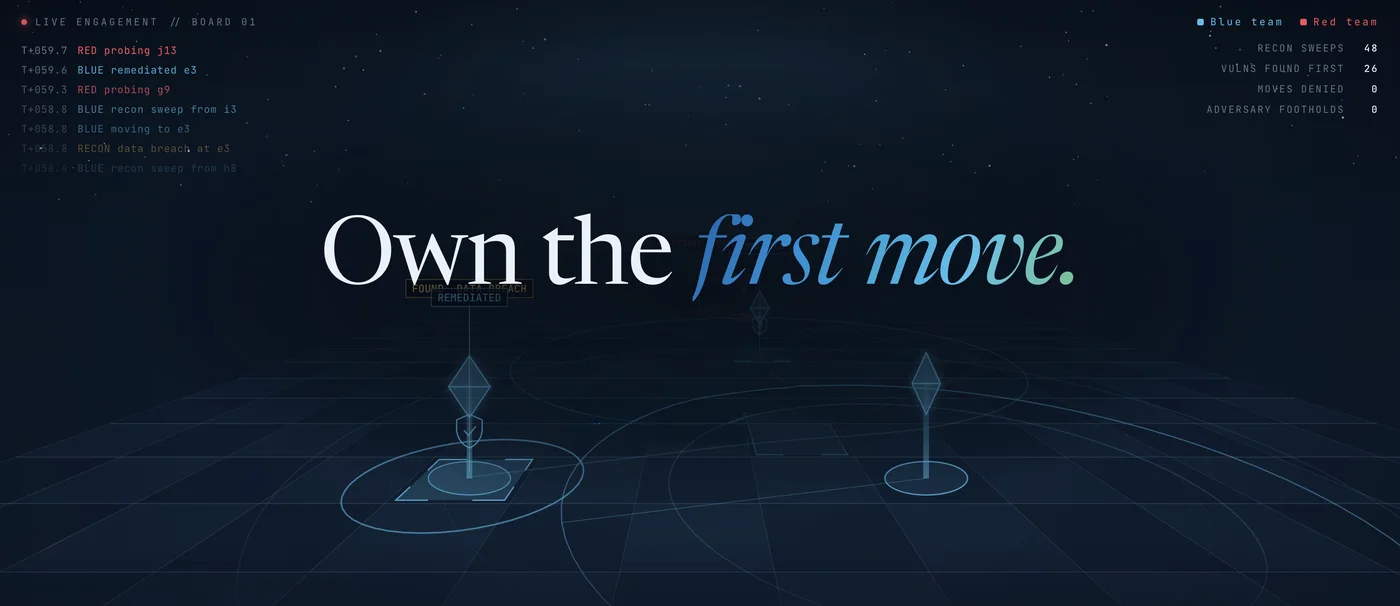
Anticipating, modeling and learning about vulnerabilities before an adversary can exploit them gives security teams an opportunity to take back the first move. This approach requires continuously testing workflows and defenses, assessing exposure and proactively acting on what we learn before an adversary exploits a weakness.
I believe organizations can take back the first-move advantage by asking hard questions before an incident forces the discussion. The ASC3ND approach aligns to Zero-Trust principles, assumes vulnerabilities exist, incidents will happen, and acts beforehand.
Here are five I believe everyone from the Board, C-Suite, Department/Agency Leadership to the security leaders/team need to be able to answer:
- If I spent a week thinking like an adversary, what would I learn about where we need to change? What would an attacker see from the outside, and which of those openings lead into the systems that keep us operating? Is the adversary already inside our environment? How can we validate our belief?
- Are we aware of every critical infrastructure or OT asset we operate, and which of them keep revenue coming in? Who owns that inventory, when was it last verified against what’s actually running, and what does an hour of downtime on each one cost us?
- How quickly and effectively could we respond to a cyber incident today? Who has the authority to isolate a control network or stop a line, when did we last rehearse that decision with operations in the room, and does our playbook account for attacks that move at machine speed as adversaries put AI to work?
- Could the digital exposure of our executives and their families create vulnerabilities for our organization? Do we understand how publicly accessible personal information can be exploited for impersonation, social engineering, or targeted attacks against both individuals and the enterprise?
- Has sensitive organizational information already been exposed beyond our visibility or control? Can we identify compromised information, validate its authenticity, understand its potential impact, and take action before an adversary exploits it?
These questions connect risks that organizations often address separately: weaknesses in their IT/OT/ICS technical environments (including emerging AI risks) and exposure involving their people and digital identities. Both can give an adversary an opening to disrupt the same mission, so both require continuous attention.
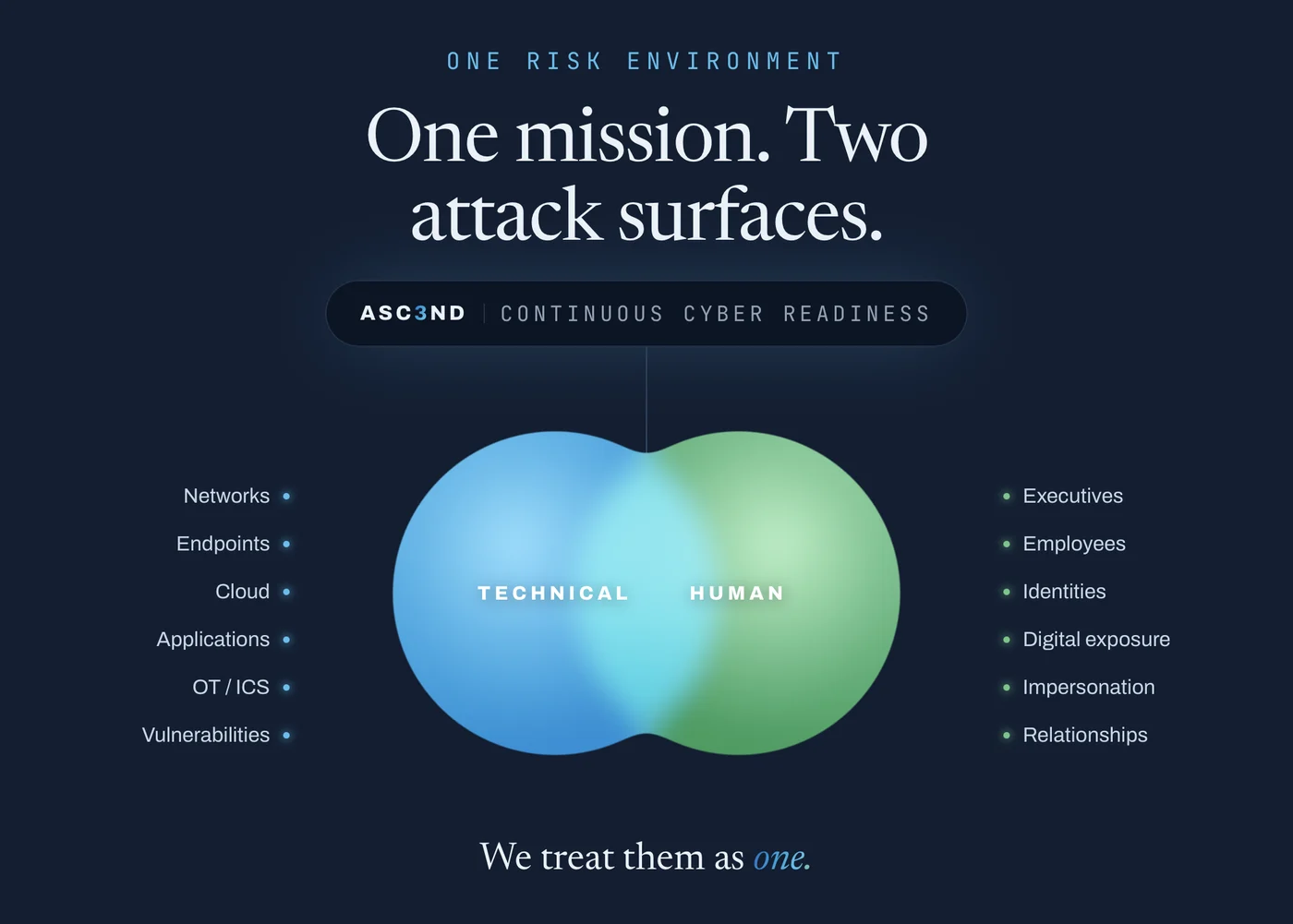
For customers operating in government, defense, critical infrastructure and other high-stakes commercial environments, answers to these questions guide our work to continuously prove cyber readiness.
Don’t assume you’re ready. Prove it.
Continuous readiness means assuming breach, constantly challenging the environment to expose weaknesses and proactively take action to reduce the risks. We then validate that those actions worked and repeat the process as the mission, environment and threats evolve.
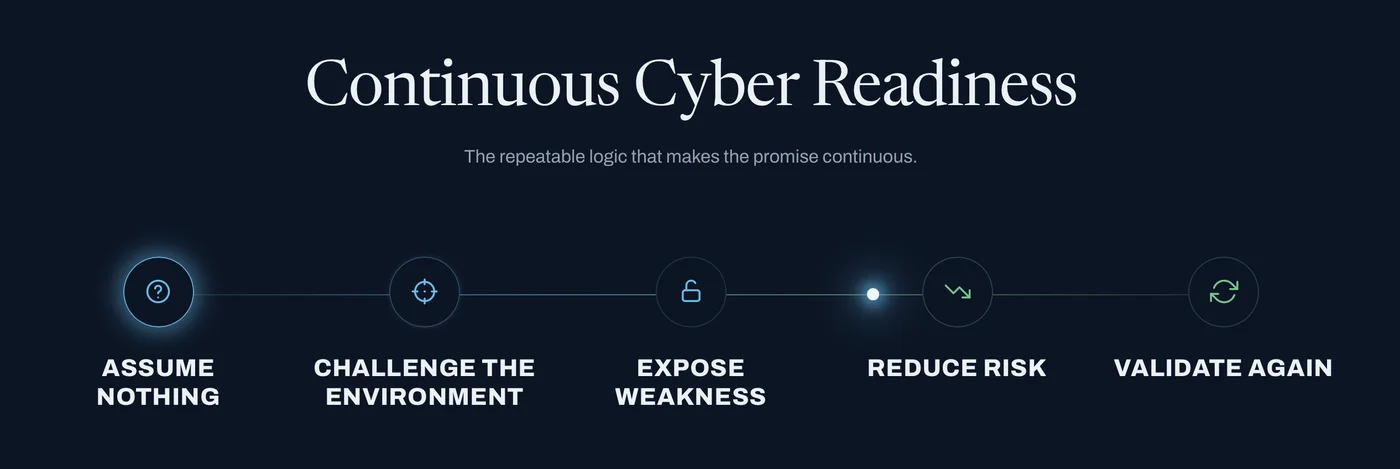
ASC3ND™ is a mission-ready cybersecurity company built around that approach. Helping customers gain the first-move advantage is the heart of how we work. I’m proud to see that vision come to life on our new website. It aligns to our vision, tells the story of the company we are building and shows how we help customers answer difficult questions and put continuous cyber readiness into practice.
Built around a different mindset
From the start, ASC3ND was built to put the customer mission first in practice and in execution. We listen to understand the mission, what must be protected, what the customer is accountable for, what our technology partners are accountable for and what failure would mean. We translate those needs into actionable requirements, then source, build and integrate the capabilities that best address them. The requirement determines the technology – not the other way around.
Our new website tells the evolving ASC3ND story, our people give it substance.
Together, the website and the ASC3ND team reflect the company we want to be: one that helps customers own the first move.
I invite you to visit asc3ndtech.com, explore our team’s perspectives and consider the above five questions in the context of your own mission. If the answers reveal gaps, contact our team. That’s where the next useful conversation starts.